Welcome Home Rescue Dog Ideas
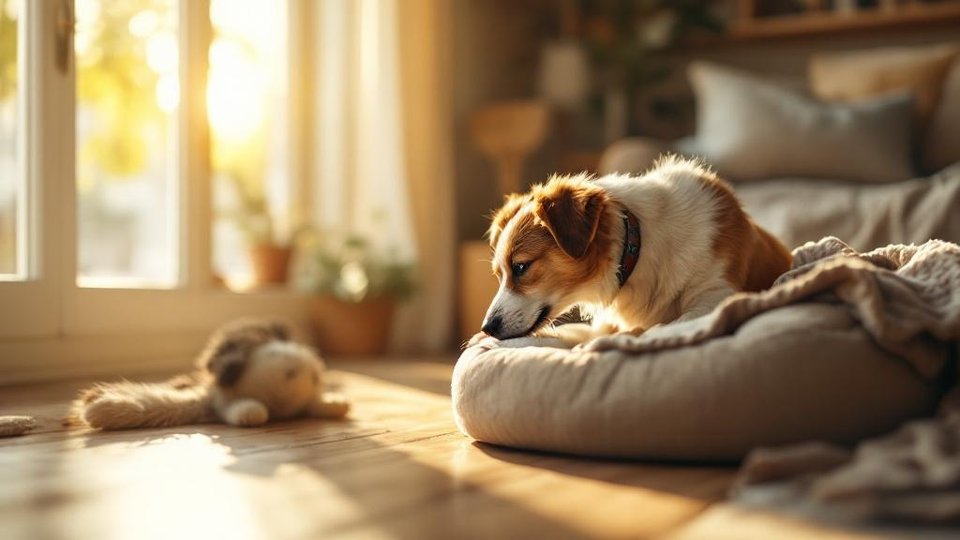
When Rosie walked through the front door of her new home for the first time, she didn't wag her tail. She didn't explore. She walked straight to the corner of the living room, pressed herself against the wall, and sat there for six hours. Her new owner, Kate, sat on the floor about ten feet away with a book and a cup of coffee, not pushing, not reaching, just being there.
By day three, Rosie was sitting next to Kate on the floor. By day seven, she was on the couch. By day 30, she had claimed the entire bed and showed zero signs of giving it back.
That first day matters more than most people realize. Your rescue dog is processing a complete life change in real time, from shelter noise and concrete floors to a quiet house full of unfamiliar smells. The way you handle those first hours sets the tone for everything that follows.
These welcome home rescue dog ideas cover the practical, the creative, and the meaningful. Some prepare your house. Some prepare your heart. All of them help your new dog understand that this time, they're staying.
Before They Walk Through the Door
Set Up a Safe Space
Every rescue dog needs a decompression zone. Pick one room or one area of your home and set it up with:
- A crate with the door open (never force them in)
- A soft bed or blanket with your scent on it
- A water bowl
- A Kong or puzzle toy stuffed with peanut butter
- Something that smells like you, like a worn t-shirt
According to the ASPCA, rescue dogs benefit from having a small, defined space when they first arrive. It reduces overwhelm and gives them a place to retreat when the world feels too big.
When Tom brought home a shy cattle dog mix named Scout from a rural shelter, he set up a corner of his bedroom with a blanket, a water dish, and a baby gate blocking the hallway. "I gave him the smallest world possible," Tom said. "He needed to feel the walls before he could handle the whole house."
Dog-Proof the House
Rescue dogs explore with their mouths, especially when nervous. Before bringing your new dog home:
- Pick up shoes, kids' toys, and anything chewable at floor level
- Secure trash cans with lids
- Put away cleaning supplies and toxic plants
- Block off stairs if the dog isn't used to them
- Cover or tuck away electrical cords
You can expand their access over the first few weeks as they settle in. Start small.
Stock Up on Essentials
Have these ready before arrival day:
- Food (ask the shelter what they've been eating and transition gradually)
- Collar with ID tag (include your phone number, not just the dog's name)
- Leash (standard 6-foot, not retractable)
- Poop bags
- Enzymatic cleaner (accidents will happen)
- High-value treats for positive associations
The AKC recommends having at least a two-week supply of the same food the shelter was using. Switching food abruptly can cause stomach issues on top of an already stressful transition.
The First Day Home
Keep It Calm and Quiet
The single most important welcome home rescue dog tip: keep everything low-key. No parties. No parade of visitors. No big introductions with other pets or kids right away.
Your dog just left a kennel, rode in a car (possibly for the first time in months), and walked into a building full of unfamiliar everything. They need calm, not excitement.
When Lisa brought home her senior beagle Gus from a county shelter, she canceled the family dinner her parents had planned for that evening. "My mom was disappointed," Lisa said. "But Gus spent the first two hours hiding under the kitchen table. He needed quiet, not a welcome committee."
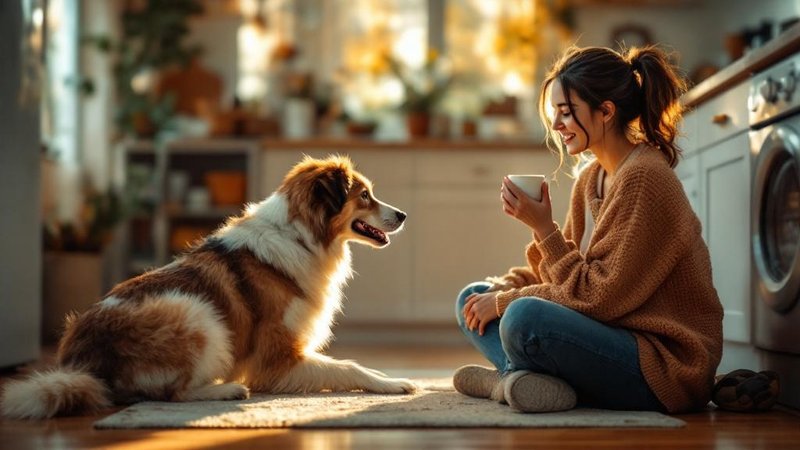
Let the dog explore at their own pace. Stay nearby but don't hover. Sit on the floor if you can. It makes you less intimidating and puts you at their level.
Let Them Explore on Their Terms
Clip on a leash (even indoors, at first) and let your new dog sniff around one room at a time. Don't rush them from room to room. If they freeze, that's fine. If they want to explore the same corner for 20 minutes, that's fine too.
Everything is information to them right now. Every smell is a question: Is this safe? Is this home? Can I trust this?
Establish a Bathroom Routine Immediately
Take your dog outside to the same spot every time they need to go. Right after arrival, wait in that spot for as long as it takes. When they go, reward them with a treat and calm praise.
Rescue dogs may not be housetrained, or they may have lost the habit during their shelter stay. Patience and consistency matter more than anything in the first week.
Offer Food, But Don't Worry If They Skip It
Many rescue dogs don't eat on their first day home. Stress suppresses appetite. Offer food in a quiet spot, leave it for 15 minutes, then pick it up. Try again in a few hours.
According to Best Friends Animal Society, it's normal for rescue dogs to skip meals for up to 48 hours after a major transition. If they haven't eaten after two full days, call your vet.
Creative Welcome Home Ideas
Once the practical basics are covered, here are some creative ways to make the homecoming meaningful.
Create a Welcome Home Song
This might be the most personal way to mark the occasion.
A custom song from Pet Anthemz turns your rescue dog's name, personality, and story into a real song with personalized lyrics. Two tracks, a personalized music video, ready in about five minutes, $14.99.
Play it softly in the background while your dog explores their new home. Include details about who they are right now, even the nervous parts. The first-day jitters, the cautious sniffing, the moment they finally lie down and exhale. That's the beginning of the story.
And 20% of every purchase goes to animal rescue organizations. So the welcome home gift helps other shelter dogs too.
Take a "First Day" Photo
You'll want this later. Trust me. Take a photo of your dog on their very first day, even if they're hiding under a table, pressed against a wall, or giving you the side-eye from across the room.
Compare it to a photo six months from now. The transformation will be one of the most satisfying things you've ever seen.
Write a Letter to Your Future Self
Sit down on day one and write a short note about how you're feeling. What are you nervous about? What made you laugh? What did the dog do in the first hour? Seal it and date it.
Open it on their first gotcha day. If you're not familiar with gotcha days, our guide to what is a gotcha day and how to celebrate explains everything. It's the adoption anniversary, and it's worth celebrating.
Start a "Firsts" Journal
Get a small notebook and record every first:
- First time they wagged their tail
- First time they slept through the night
- First time they played with a toy
- First time they greeted you at the door
- First time they rolled over for belly rubs
When Beth adopted a three-year-old lab mix named Clover from a rescue in Tennessee, she started a "firsts" journal on day one. "I didn't think much of it at the time," she said. "But six months later, I flipped through it and started crying. Every page was proof that she was healing." Beth's journal now has over 50 entries. The most recent one: "First time she fell asleep in my lap."
The First Week: What to Expect
The 3-3-3 Rule
Most rescue dog experts reference the 3-3-3 rule as a guideline for the adjustment period:
- First 3 days: Overwhelmed, shut down, possibly not eating or sleeping well. They're figuring out if this is real.
- First 3 weeks: Starting to settle, learning the routine, testing boundaries. Personality begins to emerge.
- First 3 months: Fully comfortable, bonded, showing their true self. This is who they actually are.
Don't judge your rescue dog by day one. You're meeting their stress response, not their personality.
Sleep May Be Rough
Expect some restless nights. Your dog may whine, bark, pace, or refuse to lie down. They've been sleeping in a kennel surrounded by noise. A quiet house might actually be more unsettling than comforting at first.
Keep their crate or bed in your bedroom so they can hear you breathe. That steady sound is more reassuring than any expensive calming product.
Accidents Will Happen
Even housetrained dogs may have accidents during the transition. Don't punish. Clean with enzymatic cleaner, take them outside more frequently, and reward every successful outdoor bathroom trip.
This phase passes. Usually within the first week or two.
How to Involve the Whole Family
Kids and the New Dog
If you have children, establish rules before the dog arrives:
- No chasing or cornering the dog
- Let the dog come to them, not the other way around
- No hugging or picking up (especially with a nervous rescue)
- Quiet voices for the first few days
- Always supervise interactions
Kids are often the first family members a rescue dog bonds with, but it has to happen at the dog's pace.
Introducing Other Pets
If you have existing pets, introduce them in neutral territory (like a park or a friend's yard) before bringing the new dog home. Keep initial interactions short and supervised.
The ASPCA recommends keeping new and existing dogs separated for the first few days, allowing them to sniff under doors and eat on opposite sides of a barrier before meeting face to face.
Why the Welcome Matters
Here's what shelter workers will tell you: the dogs that get thoughtful, patient welcomes are the dogs that thrive. The ones who get thrown into chaos on day one are the ones most likely to be returned.
Every year, thousands of adopted dogs are returned to shelters within the first two weeks. Not because they're bad dogs. Because the transition was too fast, too loud, or too overwhelming.
Your welcome home rescue dog ideas don't need to be elaborate. They need to be patient. A quiet house. A safe corner. A routine that says: I'm here, and you're safe, and this is your home now.
To learn more about supporting shelters and rescue organizations, visit our shelter network page or read our guide to how to support local animal shelters.
Making It Official
The day you bring a rescue dog home is the day their story changes. Everything before was survival. Everything after is life.
Mark it. Celebrate it. Give it the weight it deserves.
Create a welcome home song that captures who they are on day one. Because one day, you'll look back and realize that scared, trembling dog in the corner became the best thing that ever happened to you.
For adoption gift ideas to celebrate the occasion, see our guide to dog adoption gift ideas. And for ideas about sentimental gifts for dog owners, we've got you covered there too.
Welcome home. Both of you.
Celebrate Their First Day Home
Turn your rescue dog's name, personality, and story into a custom song. Two tracks, personalized video, ready in 5 minutes.
Create Their Welcome Home Song